How to Choose the Right Flour for Sourdough Baking

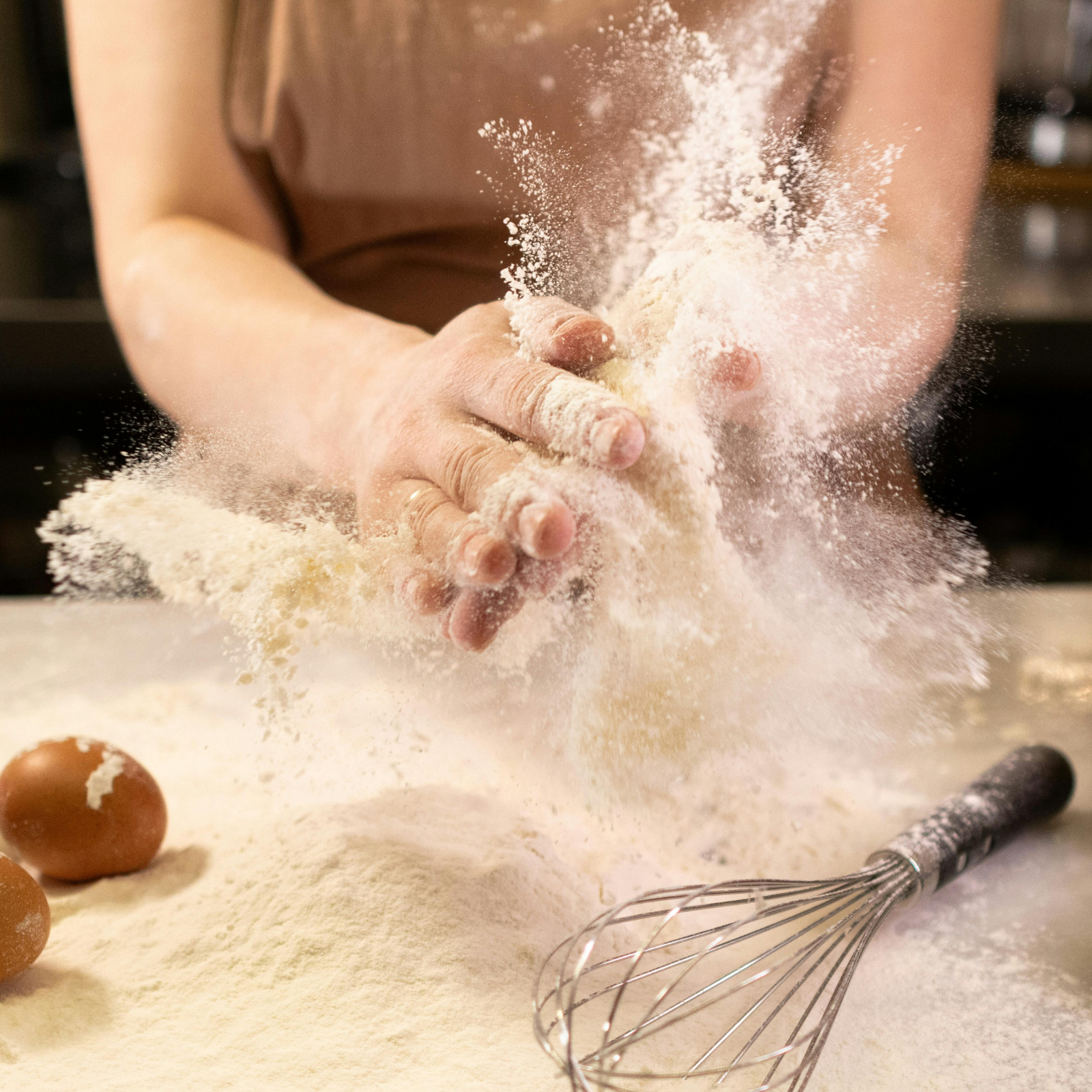
Flour Power: Choosing the Best Flours for Sourdough Baking
Behind every great sourdough loaf is the flour that powers it. Whether you’re a seasoned baker or just starting your journey, choosing the right flour is a game-changer for flavor, structure, and fermentation success. Let’s explore the best flours for sourdough and how to make the most of them in your bakes.
1. Bread Flour: The Classic Choice
Bread flour is a high-protein flour (usually 12-14%) that gives sourdough its signature chew and structure. The extra gluten helps hold fermentation bubbles, creating a lofty rise and crunchy crust. It’s my go-to for beginners and pros alike.
📝 Tip: Look for unbleached, organic bread flour when possible for a cleaner bake and better starter health.
2. All-Purpose Flour: A Mild-Mannered Standby
Yes, you can bake sourdough with all-purpose flour. It has less protein than bread flour, but when paired with other flours or a strong starter, it can still yield beautiful loaves. Many bakers use it to feed their starter because it’s cost-effective and accessible.
3. Whole Wheat Flour: Flavor Booster
Whole wheat flour adds a rich, nutty flavor and extra nutrients to your dough. It ferments faster thanks to the bran and germ, which are full of natural enzymes and wild yeast. A little goes a long way—try blending 20-30% whole wheat with your bread flour for depth.
4. Rye Flour: The Starter Supercharger
If you’re building or feeding a sourdough starter, rye flour is your best friend. It’s full of minerals and ferments quickly, making your starter extra bubbly. While it can be used in doughs, rye is sticky and low in gluten, so it’s best in small amounts or specialty loaves.
5. Fresh-Milled Flours: The Artisan Upgrade
If you’re using freshly milled grains, you’re already leveling up your baking. Fresh flour has unmatched aroma, flavor, and nutrition—but it also behaves differently. Hydration may need adjustment, and fermentation can speed up. Experiment and take notes!
6. Gluten-Free Flours: For Specialty Bakes
While traditional sourdough thrives on gluten, gluten-free sourdough is possible with flours like brown rice, buckwheat, and sorghum. These require a different approach and additional binders, but the fermentation benefits still apply.
🥖 Final Thoughts
There’s no one-size-fits-all flour for sourdough, and that’s the beauty of it. Try different blends, keep a baking journal, and let your taste buds guide you. The right flour makes all the difference—from starter to final slice.

Written by Rachael DeBoy
More From This Category

How to Get Kids Involved in Weekly Meal Planning
Learn how to involve your kids in meal planning with fun, age-appropriate tips that build life skills and reduce dinnertime stress. Start building healthy habits together.
How to Get Kids Involved in Weekly Meal Planning
Learn how to involve your kids in meal planning with fun, age-appropriate tips that build life skills and reduce dinnertime stress. Start building healthy habits together.
How to Get Kids Involved in Weekly Meal Planning
Learn how to involve your kids in meal planning with fun, age-appropriate tips that build life skills and reduce dinnertime stress. Start building healthy habits together.
0 Comments
Shop With Me
Juice Plus
LifeWave X39
Clean Beauty - Crunchi
Legacy Wealth Strategies
Amazon Recommendations
Sourdough Workshops
Meal Planning
Rachael DeBoy Wellness
My Story
Contact Me
Resources
Terms & Conditions
Privacy Policy
Opt-Out Preferences
Contact Me
(402) 214-9128
wellness@rachaeldeboy.com
San Antonio, Texas

0 Comments